☀️ What Are the Different Solar Setups in the Philippines? A Complete Beginner’s Guide
Switching to solar energy is a smart move for Filipino homeowners seeking to reduce electricity bills, achieve energy independence, or contribute to a cleaner environment 🌱. However, one of the first critical decisions in planning your solar system is choosing the right type of solar setup for your home or business.
In the Philippines, you mainly have three types of solar setups: On-Grid (Grid-Tied), Off-Grid (Stand-Alone), and Hybrid (Grid-Connected with Battery Backup). Each setup has unique features, benefits, and trade-offs. Understanding these differences is essential to avoid overspending or underperforming systems.
1️⃣ On-Grid Solar Setup (Grid-Tied)
The On-Grid setup is the most popular in urban and suburban areas with a stable utility connection. This system is cost-effective because it doesn’t require batteries, which are often the most expensive component in a solar system.
How It Works
- During the day, solar panels generate DC electricity from sunlight. A Grid-Tie Inverter (GTI) converts it into 220V AC power (standard in the Philippines) for home appliances.
- Any excess electricity is exported to the utility grid automatically.
- A Bi-Directional Meter tracks electricity imported and exported. Under the Philippine Net Metering Program, you earn credits for energy you feed back to the grid.
- At night or during cloudy days, your home draws power directly from the grid.
Key Components
- Solar Panels (PV Modules)
- Grid-Tie Inverter
- Bi-Directional Meter (for net metering)
Pros & Cons
| Pros | Cons |
|---|---|
| Fastest ROI – Lower upfront cost without batteries. | No backup during brownouts; system shuts down for safety. |
| Net Metering credits reduce electricity bills. | Dependent on stable utility grid connection. |
| Simple installation and minimal maintenance. | Net-metering application can take months to approve. |
💡 Beginner Tip: If your area experiences frequent brownouts, consider pairing your On-Grid system with a small UPS or a hybrid system instead.
2️⃣ Off-Grid Solar Setup (Stand-Alone)
The Off-Grid system is ideal for remote locations without access to a reliable utility grid. It provides total energy independence but comes with higher upfront costs due to batteries.
How It Works
- Solar panels charge a Battery Bank via a Charge Controller.
- During the day, appliances draw power directly from panels and batteries.
- At night or on cloudy days, an Off-Grid Inverter converts stored DC battery power into AC electricity.
Key Components
- Solar Panels
- Charge Controller (PWM or MPPT)
- Off-Grid Inverter
- Battery Bank (Lead-Acid, Lithium-Ion, or LiFePO4)
Pros & Cons
| Pros | Cons |
|---|---|
| Complete energy independence. | High upfront cost due to batteries. |
| Immune to brownouts and outages. | Battery replacement every 3-15 years adds to long-term costs. |
| Great for remote homes, farms, or islands. | Requires careful sizing to ensure sufficient energy supply. |
⚠️ Safety Tip: Always install fuses or DC breakers between batteries and inverter to prevent overheating or fire hazards. Ensure ventilation for batteries to avoid heat accumulation.
3️⃣ Hybrid Solar Setup (Grid-Connected with Battery Backup)
Hybrid systems combine the advantages of On-Grid and Off-Grid setups. They are perfect for homeowners who want bill savings and backup power during frequent brownouts.
How It Works
- Solar energy runs appliances during the day.
- Excess energy charges the battery bank.
- Once batteries are full, extra power can be exported to the grid for net metering credits.
- During grid outages, the system automatically switches to battery power.
- At night, batteries can supply power first, using the grid only as a backup.
Key Components
- Solar Panels
- Hybrid Inverter (grid-tie + charge controller + off-grid inverter in one)
- Battery Bank
Pros & Cons
| Pros | Cons |
|---|---|
| Reliable backup during brownouts. | High upfront cost due to batteries and hybrid inverter. |
| Maximizes self-consumption of solar energy. | Installation and configuration are more complex. |
| Eligible for net metering. | Battery maintenance is still required. |
💡 Pro Tip: Hybrid inverters often come with software to schedule battery usage, helping you optimize cost savings and backup performance.
Which Solar Setup is Best for You?
| Scenario | Recommended Setup | Reason |
|---|---|---|
| Urban home with stable grid and low brownouts | On-Grid | Lowest cost, fastest ROI, net metering benefits |
| Remote island, farm, or area with no grid | Off-Grid | Complete energy independence |
| Frequent brownouts, want backup + bill savings | Hybrid | Combines energy savings and battery backup |
⚠️ Beginner Safety & Installation Tips
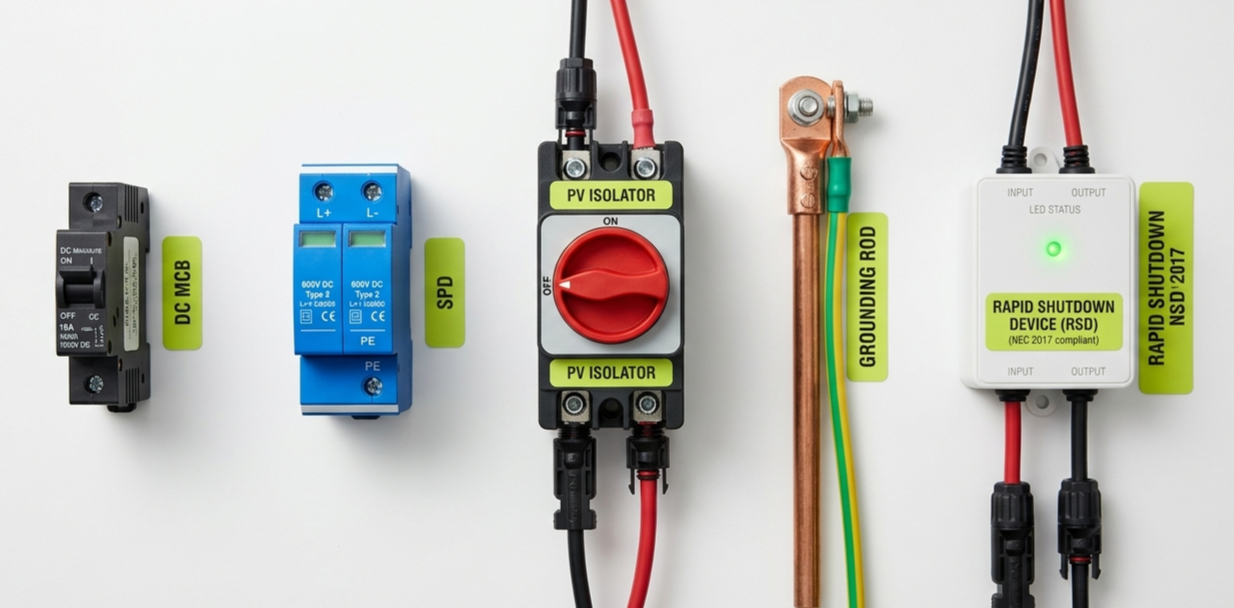
- Always use DC-rated breakers and fuses between panels, batteries, and inverters.
- Ensure proper grounding to prevent electrical shocks.
- Keep batteries in a well-ventilated area.
- Label all switches and breakers to avoid accidental misuse.
- If unsure, hire a licensed electrician familiar with solar installations.
🔗 Use the Solar Panda App for Easy Planning
If calculating system size, battery capacity, and breaker ratings seems overwhelming, try the Solar Panda App. It automatically recommends the right solar panels, inverter, batteries, wire size, and cost based on your monthly electricity consumption. Ideal for beginners looking for a safe, accurate setup.
Visit the calculator here: Solar Panda App 🚀
By understanding the differences between On-Grid, Off-Grid, and Hybrid solar setups, you can make a smart, budget-conscious decision that fits your lifestyle and energy goals. With careful planning and attention to safety, your solar investment will provide reliable power and savings for years to come.