The Cost of a Solar Setup
How much does a solar setup cost, and how long does it take to get your investment back? 🤔 These are the most important questions people ask before starting their solar journey—and for good reason.
In this guide, we’ll break down real-world pricing, expected performance, and return on investment (ROI) based on common setups in the Philippines. This will help you make a smarter and more confident decision before investing in solar energy. ☀️
💡 Why Solar Is More Affordable Today
Solar panel prices have plummeted over the past few years. In 2017, panels were priced at around ₱15 per watt, but today, that has dropped to approximately ₱7 per watt.
That’s more than a 50% decrease in cost while performance has improved significantly.
What caused this drop?
- Improved manufacturing efficiency
- Global demand increase
- Better solar technology (higher wattage panels)
- More competition among suppliers
👉 This means you can now build a more powerful system at a lower cost compared to just a few years ago.
👉 Want to see current prices? Check Magkano Online? for live solar component prices.
⚙️ What Affects the Cost of a Solar Setup?
Before choosing a system, it’s important to understand what you’re actually paying for:
- Solar Panels – The main source of power generation
- Inverter – Converts solar energy into usable electricity
- Battery (optional but recommended) – Stores energy for night use or brownouts
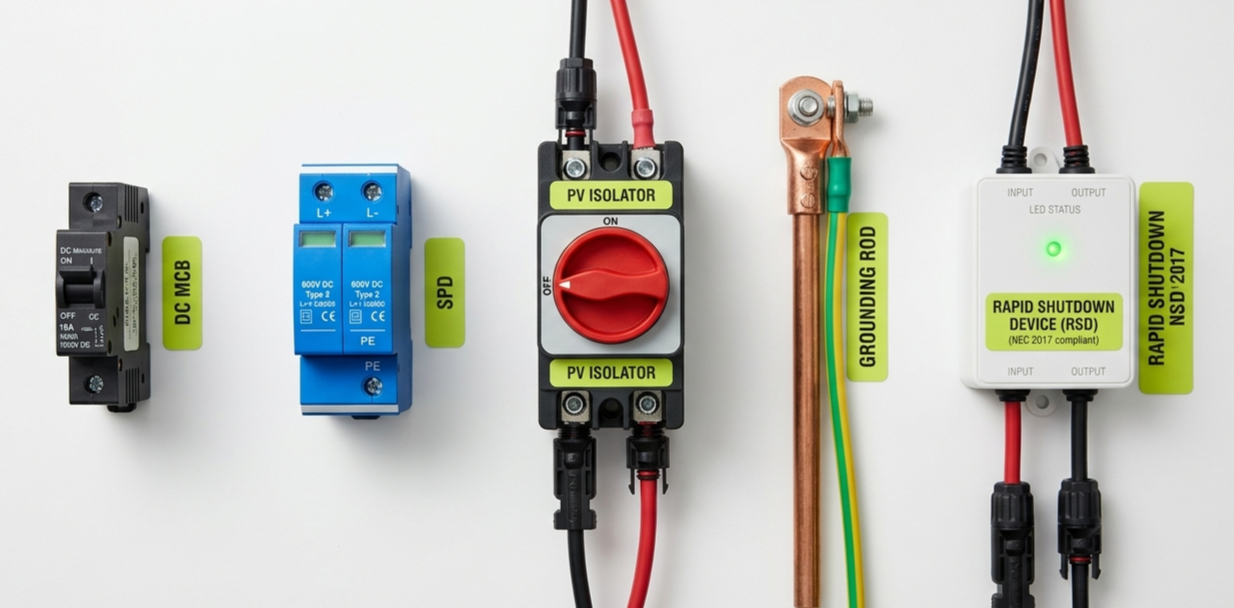
- Wires, Breakers, and Mounting Materials – For safety and durability
- Installation (if not DIY)
💡 Tip: Many users in the Philippines prefer DIY setups to save on labor costs, which is exactly what Solar Panda helps you plan.
Now, let’s break down the setups from smallest to largest.
12V 1.2kW Setup 🔋
A complete solar setup of this size will cost you between ₱25,000 and ₱45,000.
This setup can power the following appliances:
- 10W LED bulbs (up to 4 bulbs)
- Cell phones 📱
- A small TV 📺
- A stand fan or clip fan
- A rice cooker (400W, when used alone)
- A refrigerator (for a few hours)
This setup is ideal for:
- Beginners testing solar for the first time
- Small households
- Provincial areas with limited or unstable electricity
⚠️ Important: This setup has limited capacity, so proper usage scheduling is important (for example, using the rice cooker separately).
You can expect a return on your investment in 4 to 5 years.
See the full setup here
24V 3.2kW Setup ⚡
If you are looking for a more powerful setup, the price for a 24V 3.2kW system will range from ₱70,000 to ₱90,000.
With this setup, you can run:
- 10W LED bulbs (up to 10 bulbs)
- Electric fans
- Laptops and computers 💻
- A TV and a router
- A refrigerator
- A washing machine
- An electric kettle
- A rice cooker (800W, best used during daytime ☀️)
- A microwave oven (limited night use)
- A 1hp air conditioner (limited night use ❄️)
This is ideal for:
- Small to medium families (2–3 members)
- Households with moderate appliance usage
💡 Tip: If you frequently use high-wattage appliances at night, consider increasing your battery capacity.
The return on investment for this setup is approximately 3 to 4 years.
See the full setup here
48V 5kW Setup 🔌
For higher power needs, a 48V 5kW setup will cost between ₱120,000 and ₱190,000.
This setup can handle:
- A TV and lights
- Computers, phones, and laptops
- A refrigerator
- A washing machine
- An electric kettle
- A rice cooker
- A flat iron
- A vacuum cleaner
- A microwave oven
- A 1hp air conditioner (limited night use)
This setup is typically ideal for a 4 to 5 person household.
⚠️ Important Reminder: Avoid running multiple high-watt appliances at the same time (e.g., microwave + rice cooker + aircon), as this may exceed the inverter capacity.
The return on investment is around 3 to 4 years.
See the full setup here
For Even Greater Power: 10.2kW or 12kW Setup 🚀
If the setups above are not enough, you can invest in a large system like a 10.2kW or 12kW system, costing ₱250,000 and above.
This setup can power:
- TV, lights, computers, phones, and laptops
- A rice cooker
- A refrigerator
- A vacuum cleaner
- A microwave oven
- A front-load washing machine
- Multiple 1hp air conditioners (up to 5 units ❄️)
This is best for:
- Large households
- Homes with heavy appliance usage
- Users aiming for near full energy independence
💡 With proper battery sizing, you can run most appliances even at night without relying heavily on the grid.
See the full setup here
📊 Summary Table
This table summarizes the information above to help you in your decision-making.
| Setup | Appliances | Recommended For | Pros | Cons |
|---|---|---|---|---|
| 12V 1.2kW ₱25,000–₱42,000 4–5 years ROI | • 10W LED bulbs (up to 4) • Cell phones • Small TV • Stand/clip fan • Rice cooker (400W, used alone) • Refrigerator (few hours) | • Beginners • Small households • Provincial/off-grid use | ✅ Lowest cost entry ✅ Easy to install (DIY-friendly) ✅ Good for backup power | ⚠️ Limited capacity ⚠️ Not suitable for heavy appliances ⚠️ Requires strict usage scheduling |
| 24V 3.2kW ₱70,000–₱90,000 3–4 years ROI | • 10W LED bulbs (up to 10) • Electric fans • Laptops & computers • TV & router • Refrigerator • Washing machine • Electric kettle • Rice cooker (800W, daytime) • Microwave (limited night use) • 1hp aircon (limited night use) | • Small to medium families (2–3) • Daily home use | ✅ Balanced performance & price ✅ Can handle most appliances ✅ Faster ROI | ⚠️ Limited night usage without bigger battery ⚠️ Aircon use is restricted ⚠️ Needs load management |
| 48V 5kW ₱120,000–₱190,000 3–4 years ROI | • TV & lights • Computers, phones, laptops • Refrigerator • Washing machine • Electric kettle • Rice cooker • Flat iron • Vacuum cleaner • Microwave oven • 1hp aircon (limited night use) | • Medium to large families (4–5) • Higher appliance usage | ✅ Strong capacity ✅ Supports multiple appliances ✅ More flexible usage | ⚠️ Higher upfront cost ⚠️ Still limited for simultaneous heavy loads ⚠️ Battery upgrade often needed |
| 10.2kW / 12kW ₱250,000+ 3–4 years ROI | • TV, lights, computers, phones, laptops • Rice cooker • Refrigerator • Vacuum cleaner • Microwave oven • Front-load washing machine • Multiple 1hp aircons (up to 5) | • Large households • Heavy users • Near off-grid / energy independence | ✅ Maximum power capacity ✅ Can run multiple aircons ✅ Minimal reliance on grid | ⚠️ High initial investment ⚠️ Requires proper planning ⚠️ Space needed for panels & batteries |
🧠 Final Thoughts
Now you have a clearer idea of:
- How much a solar setup costs
- What appliances each setup can support
- How long it takes to recover your investment
The key takeaway is simple:
👉 Solar is no longer expensive—it’s an investment that pays you back.
If you size your system correctly and manage your usage properly, you can significantly reduce—or even eliminate—your electricity bill.
If you have any questions, feel free to email us at solarpanda.ph@gmail.com 📩