🔌 How to Determine the Correct Breaker Size Between Battery and Inverter
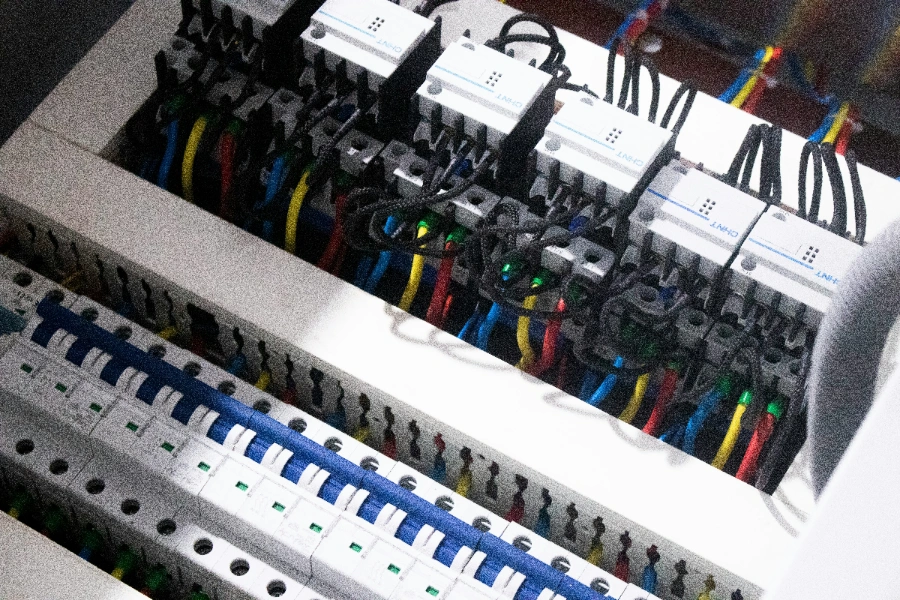
Choosing the right circuit breaker between your solar battery and inverter is critical for both safety and performance ⚡. An incorrectly sized breaker can lead to overheating, tripped circuits, or even permanent damage to your inverter and battery. In this guide, we will walk through two reliable methods to size your breaker: The Inverter Size Method and The Maximum Load Method. We’ll also cover safety tips, practical examples, and what to avoid.
1️⃣ The Inverter Size Method
This method is simple and widely used for most solar setups. It considers the maximum capacity of your inverter to determine the appropriate breaker size. For example, if you have a 3000W (3kW) 24V Zamdon inverter, the maximum load it can handle is 3000W.
Step 1: Divide Maximum Load by Voltage
3000W ÷ 24V = 125A
Step 2: Apply a Safety Factor
A 25% safety factor is essential ⚠️. This accounts for startup surges, unexpected load spikes, and long-term inverter protection.
125A + 31.25A (25% safety factor) = 156.25A
Step 3: Round Up to Next Available Breaker
Circuit breakers are not sold in decimal values. In this case, 160A is the closest available breaker. This ensures the breaker is never undersized, preventing nuisance trips or fire hazards 🔥.
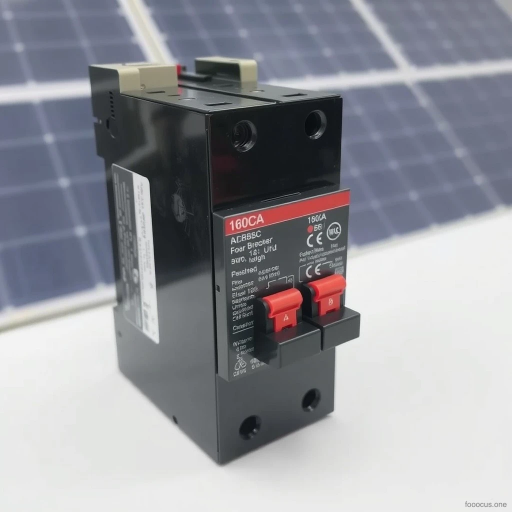
Safety Tip: Always choose a breaker rated slightly above the calculated value, never below. This protects both the inverter and battery from damage.
2️⃣ The Maximum Load Method
The Maximum Load Method is useful when you want a more customized approach. Here, you calculate the breaker size based on the total wattage of the appliances you intend to run simultaneously.
Sample Load
- 600W Rice Cooker 🍚
- 100W Refrigerator ❄️
- 300W Washing Machine 🧺
- 2 x 50W LED Bulbs 💡
- 65W Television 📺
Total simultaneous load: 1165W
Step 1: Divide Maximum Load by Voltage
1165W ÷ 24V = 48.54A
Step 2: Add 25% Safety Factor
48.54A + 12.14A = 60.68A
Step 3: Round Up to Available Breaker
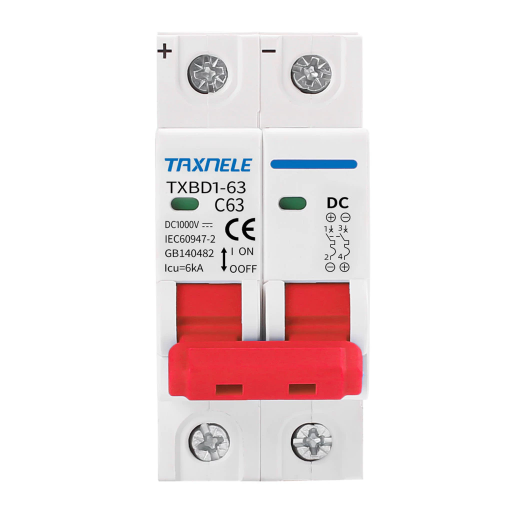
Since 60.68A is not available, choose 63A. This ensures your appliances are protected without oversizing the breaker unnecessarily.
⚠️ Additional Safety Tips
- ✅ Never install a breaker smaller than your calculation – this risks frequent tripping and can damage your inverter.
- ✅ Check wire sizing – using the wrong wire gauge can overheat wires and cause fires. Always match wire ampacity with breaker size.
- ✅ Label all breakers clearly – helps during maintenance and reduces human error.
- ✅ Avoid DIY installation if inexperienced – solar inverters and batteries carry high currents. Hire a licensed electrician for installation.
- ✅ Inspect connections regularly – loose terminals can lead to arcing and heat buildup.
💡 Pro Tips for Long-Term Performance
- Use breakers with arc fault detection for enhanced safety.
- Install DC-rated breakers specifically designed for battery-inverter circuits.
- Check breakers every 6–12 months for signs of wear or discoloration.
- Pair breakers with proper fuses if recommended by your inverter manual.
- Keep the inverter and breaker panel in a cool, ventilated space to avoid heat-induced trips.
🔗 Use the Solar Panda App for Quick Calculations
Prefer a quick answer? Our Breaker Sizing Calculator runs these exact steps for you. If you don’t want to calculate manually, the Solar Panda App computes the optimal breaker size, wire gauge, and full system requirements for your solar setup. It also recommends hybrid inverter, battery size, solar panel watts, cost, and ROI—all tailored to your monthly consumption.
Visit the calculator here: Solar Panda App 🚀
✅ Final Thoughts
Sizing the breaker correctly is not optional—it’s a core safety measure for every solar setup. Following the methods above and adding a 25% safety margin ensures both safety and efficiency. With the right breaker, your solar system will perform reliably for years while protecting your valuable equipment.
Remember: Safety first, plan smart, and always double-check your numbers before installation ⚡🔒.